The Culture Behind the Decks
From vinyl crates to festival mainstages — explore the history, lifestyle, fashion, and global community that defines DJ culture and powers the world's greatest nightlife experiences.
The History of DJing
What began in New York basement parties in the 1970s has grown into a global cultural force shaping music, travel, and identity for millions of people worldwide.
-
1970s
The Birth in the Bronx
DJ Kool Herc isolates breakbeats using two turntables, creating hip-hop's sonic foundation and the blueprint for modern DJing as we know it today.
-
1980s
House Music Rising
Chicago's Warehouse club under Frankie Knuckles births house music. Electronic beats merge with soulful vocals, spreading rapidly across Europe and beyond.
-
1990s
Rave Culture Explodes
Ibiza, UK raves, and Berlin's underground scene cement the DJ as a cultural icon. Techno, trance, and drum & bass splinter into powerful global movements.
-
2000s
The Digital Revolution
CDJs and DVS systems begin to replace vinyl. Superstar DJs command stadium-sized audiences and DJing enters mainstream pop culture for the very first time.
-
Today
The Global Era
Streaming, social media, and hybrid performances connect DJs with billions worldwide. The culture drives a multi-billion dollar music and nightlife travel industry.
The DJ Lifestyle
DJing is more than music — it's a way of life built around creative expression, relentless travel, late nights, and deep community bonds that span every continent on earth.
Constant Travel
Top DJs criss-cross continents weekly — Ibiza to Tokyo, Berlin to Miami — making travel an intrinsic part of the DJ life and identity.
Crate Digging
The hunt for rare tracks, whether in vinyl record stores or digital libraries, never stops. The perfect record is always just around the corner.
Night Owl Rhythms
The DJ schedule inverts daylight. Soundchecks at midnight, headline sets at 3am — the night is the studio and the dancefloor is the audience.
Studio Craft
Beyond the booth, DJs produce, remix, and collaborate — turning fleeting club experiences into recorded art that outlasts the night itself.
Community
From local crews to global collectives, DJ culture thrives on mutual support, mentorship, and a shared passion that crosses all borders and boundaries.
Constant Evolution
The scene never sleeps. New genres, new tools, new artists — staying ahead means staying curious, humble, and deeply connected to the music.
Equipment & Gear
The technology behind the music — from classic turntables to cutting-edge digital setups — shapes how DJs perform and how crowds experience sound.
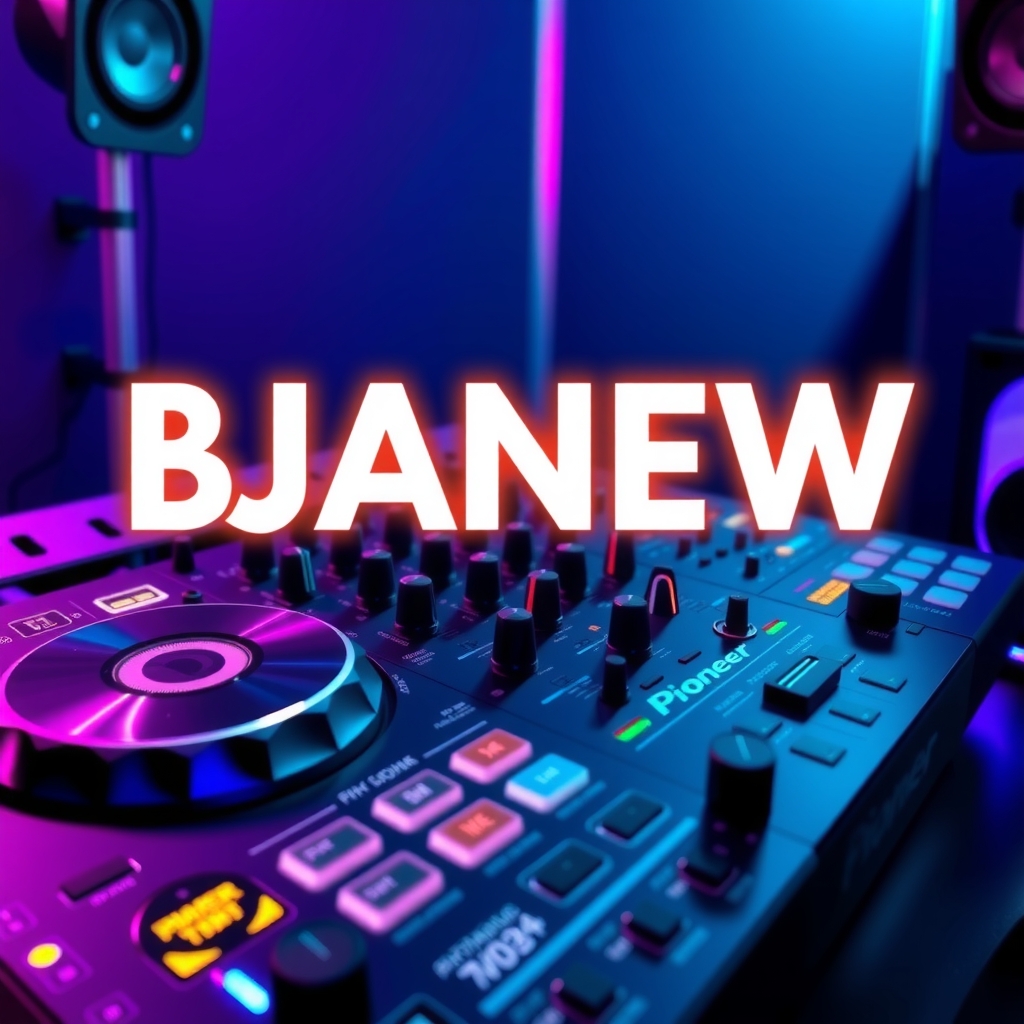
Pioneer CDJ-3000
The industry-standard media player found in virtually every professional DJ booth worldwide — the equivalent of a concert grand piano for performers.
Analog Turntables
Technics SL-1200s remain revered by purists. Vinyl DJing demands tactile skill — scratching, cueing, pitch riding — a living, breathing art form.
DJ Mixers
From Allen & Heath Xone to Pioneer DJM series — the mixer controls EQ, effects, and transitions. The conductor's baton of any DJ booth.
Controllers & Software
Traktor, Serato, and Rekordbox enable laptop-based performance. Controllers bridge tactile hardware feel with modern digital flexibility.
Headphones & Monitors
Sennheiser HD 25s and Pioneer HDJ-X10s are booth staples. Accurate monitoring lets DJs hear the mix before releasing it to the crowd.
Fashion & Style
DJ culture has always had its own visual language — an aesthetic identity that evolves with the music and the scene it represents across every city on the globe.
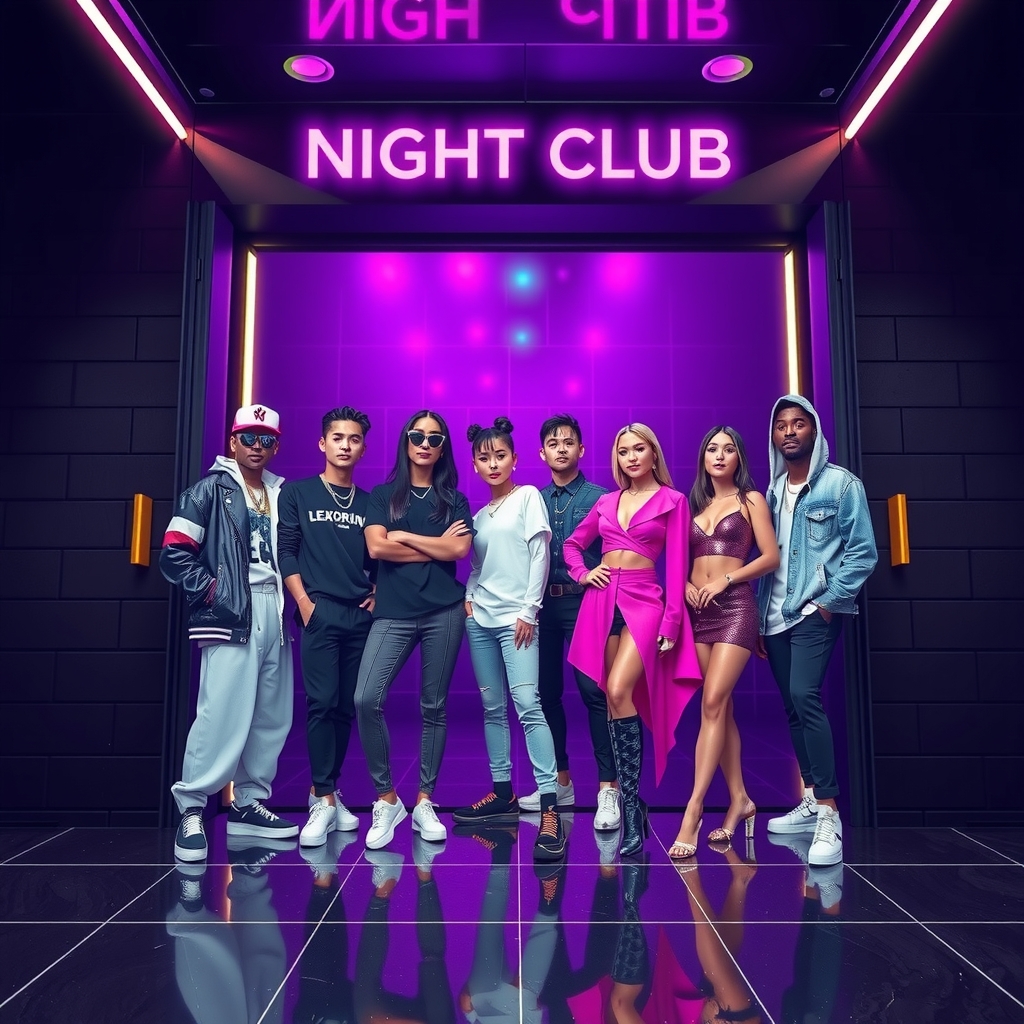
From New York hip-hop's Adidas tracksuits and bucket hats to Berlin techno's austere all-black uniform — DJ culture dresses to express identity and tribe. Fashion isn't incidental; it signals your scene, your values, and your sound.
Ibiza produces its own breed of festival chic: sheer kaftans, statement sunglasses, and strappy sandals for sun-kissed open-air parties. Tokyo's underground brings streetwear precision — rare sneakers, layered Japanese labels, and geometric cuts that turn the club into a runway.
Across every scene, authenticity rules over trend-chasing. The clothes you wear to a rave tell a story: where you've been, what you love, and who you are within this extraordinary global community.
DJ Icons & Legends
These artists shaped the culture, defined entire genres, and turned DJing into a global phenomenon that transcends music, borders, and generations.
Frankie Knuckles
Godfather of House Music — Chicago's Warehouse pioneer who changed music forever
DJ Kool Herc
Bronx breakbeat inventor — the undisputed founding father of hip-hop DJing
Carl Cox
Techno titan — decades of legendary Ibiza residencies and electrifying global dancefloors
Richie Hawtin
Minimal techno innovator — technology and art held in perfect, visionary balance
Annie Mac
Radio and festival champion — bringing electronic music to millions of new listeners worldwide
Sven Väth
Cocoon founder — Frankfurt's godfather of German techno culture and the Ibiza scene
Peggy Gou
Seoul-born, Berlin-based — the vibrant new face of global house music culture
DJ Shadow
Sampling visionary — redefining what turntablism could be as a genuine art form
The Global Community
DJ culture is borderless. Every city has its scene, its clubs, its crew — and together they form the most vibrant global musical community on the planet.
Berlin
The world's techno capital. Berghain, Tresor, and legendary 72-hour weekends define the ultimate underground experience.
Ibiza
The global clubbing mecca. Sunset sessions at Café del Mar and superclub nights at Amnesia are true bucket-list rites of passage.
Chicago & NYC
The birthplace of house and hip-hop DJing — a pilgrimage for anyone serious about understanding the roots of the culture.
London
From jungle to grime to bass music — London's scene constantly reinvents itself at iconic clubs like Fabric and Village Underground.
Tokyo
Japan's deep reverence for sound quality and DJ craft produces some of the world's most discerning and passionate club crowds.
Dubai
A rising nightlife powerhouse. Luxury venues and world-class bookings make it the Middle East's electronic music epicentre.
Ready to Live the Culture?
Don't just listen from home — experience DJ culture firsthand. Plan your nightlife travel adventure with DJ Vacation and immerse yourself in the global scene.